Lemon Honey: The Friendly Handwritten Font for Small Business Branding
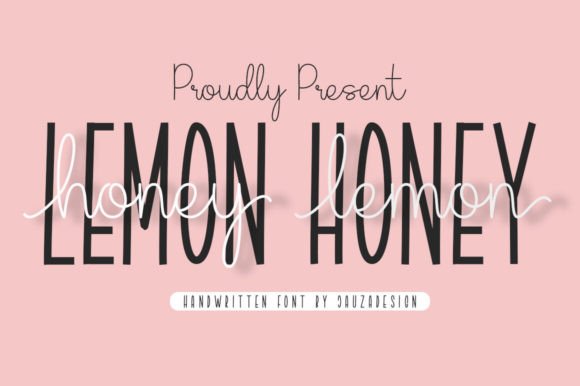
Running a small business means wearing many hats, from the creative director to the logistics manager. One of the most frequent challenges I face is ensuring that every piece of communication feels like it comes from the same person. Whether I am designing a product label for my handmade candles or creating an Instagram post for my new bakery, consistency is key to building trust. This is where finding the right script font becomes critical. After testing dozens of options, I found that Lemon Honey is a sweet and friendly handwritten font that perfectly bridges the gap between personal warmth and professional polish.
The style of Lemon Honey is natural and unique, making it incredibly fitting for a large pool of designs. It doesn't look like a computer-generated typeface; instead, it captures the authentic feel of someone writing with a marker or brush. For entrepreneurs who want their brand identity to feel approachable and human, this typeface offers a distinct personality without sacrificing readability. When you use a premium font like this in your Fonts collection, you are investing in a visual voice that resonates with customers on an emotional level.
Building Trust Through Consistent Visual Identity
In the crowded marketplace of online sellers and boutique owners, customers decide within seconds whether they trust a brand. A messy or mismatched set of fonts can make a business look amateurish, while a cohesive design strategy signals professionalism. Lemon Honey excels at creating a recognizable look across all touchpoints. Imagine using this typeface for your logo, then seeing it appear on your business cards, packaging design, and even your website banners. That repetition creates a strong memory hook for your audience.
For a café owner, consistency might mean featuring Lemon Honey on the chalkboard menu, the printed flyers, and the digital ads running on social media. Because the font has a natural flow, it makes the brand feel inviting rather than corporate. Similarly, a service provider, such as a life coach or consultant, can use this font to soften their image. While the content of the coaching is serious, the visual presentation can be warm and encouraging. By integrating Lemon Honey into your marketing materials, you ensure that your target customers feel welcomed and understood before they even make a purchase.
Practical Applications for Every Business Material
The versatility of Lemon Honey allows it to shine in various real-world business scenarios. It is not just a decorative element; it is a functional tool for branding. Here is how I have seen it transform different aspects of small business operations:
- Product Labels and Packaging: For handmade product sellers, the font adds a touch of artisanal quality. Imagine a label for a jar of organic honey or a box of artisanal soaps. The handwritten style suggests care and attention to detail, which justifies a higher price point and builds customer loyalty.
- Social Media Graphics: On platforms like Instagram and Pinterest, text needs to grab attention quickly. Using Lemon Honey for headlines in your posts or story highlights makes your content stand out against plain backgrounds. It works beautifully as a display font for quotes, style tips, or promotional announcements.
- Wedding Cards and Event Invitations: If you are a planner or sell stationery, this font is ideal for wedding cards. Its friendly nature sets a celebratory and romantic tone that guests appreciate.
- Website Visuals: In web design, using a creative font for headers can break up blocks of text and guide the user's eye. However, it should be used strategically to maintain a clean user experience.
- Thank You Cards and Stickers: Adding a personalized note with a handwritten font makes customers feel valued. Including a sticker with your logo in Lemon Honey on your packaging turns a simple delivery into a memorable unboxing experience.
Strategic Placement and Readability
While Lemon Honey is expressive, knowing when to use it as a headline versus a supporting typeface is essential for maintaining clarity. As a handwritten font, it is best suited for short phrases, titles, logos, and accents. It acts as a modern typography choice that draws the eye immediately. However, for body text or long descriptions on product pages, it can become difficult to read, especially on smaller mobile screens.
Readability is paramount in real business settings. When designing for small labels or thumbnails, ensure the letterforms remain distinct. The curves and connections in Lemon Honey are well-designed, but if the text is too small or the contrast is low, the message gets lost. I recommend using this font for impact areas where brevity is key. For example, use it for the main title of a flyer or the name of a dish on a menu, but switch to a cleaner font for the ingredients list or pricing details.
To maximize its effectiveness, consider font pairing ideas that balance style with function. Pairing a decorative font like Lemon Honey with a clean sans serif font creates a perfect harmony. The script provides the personality, while the sans serif ensures the information is easy to digest. Alternatively, you could pair it with a readable serif font for a more classic, editorial look. This combination allows your brand to feel both stylish and authoritative. For instance, a beauty product packaging might feature the brand name in Lemon Honey and the ingredient list in a crisp geometric sans serif.
Testing Before You Commit
Before applying Lemon Honey across your entire brand identity, it is wise to test it in context. Create mockups of your actual materials, such as a business card or a social media post, to see how the font behaves in different sizes and colors. Does it look good on a dark background? How does it translate to black-and-white printing? These practical tests prevent costly mistakes down the line.
Additionally, consider your specific industry. If you run a law firm or a medical practice, a script font might feel too casual. However, for a boutique clothing store, a craft workshop, or a food blog, the friendly vibe of Lemon Honey aligns perfectly with your brand values. The goal is to ensure your typeface reflects the mood of your business accurately.
Navigating Commercial Licensing
One crucial step for any entrepreneur is understanding the legal side of using design assets. Not all fonts come with the same permissions. Before using Lemon Honey on products, packaging, templates, merchandise, client work, or digital downloads, you must check the commercial font licensing agreement. Some licenses allow for unlimited use, while others may restrict usage to specific projects or require additional fees for print runs.
Ensuring you have the correct license protects your business from potential legal issues and gives you peace of mind to focus on growth. Many creators offer clear terms for commercial use, making it easy to integrate these tools into your workflow legally. By respecting these guidelines, you uphold the integrity of the design community and safeguard your own enterprise.
Ultimately, choosing the right typeface is about telling your story effectively. Lemon Honey brings a sense of sweetness and friendliness that can elevate your brand from ordinary to exceptional. Whether you are designing a logo for a startup or updating your website visuals, this font offers the reliability and charm needed to connect with your audience. By incorporating it thoughtfully into your design assets, you create a cohesive brand identity that is both professional and deeply human.